
How to Eat More Vegetables: 4 Easy Ways to Improve Your Nutrition and Enjoy Healthier Meals
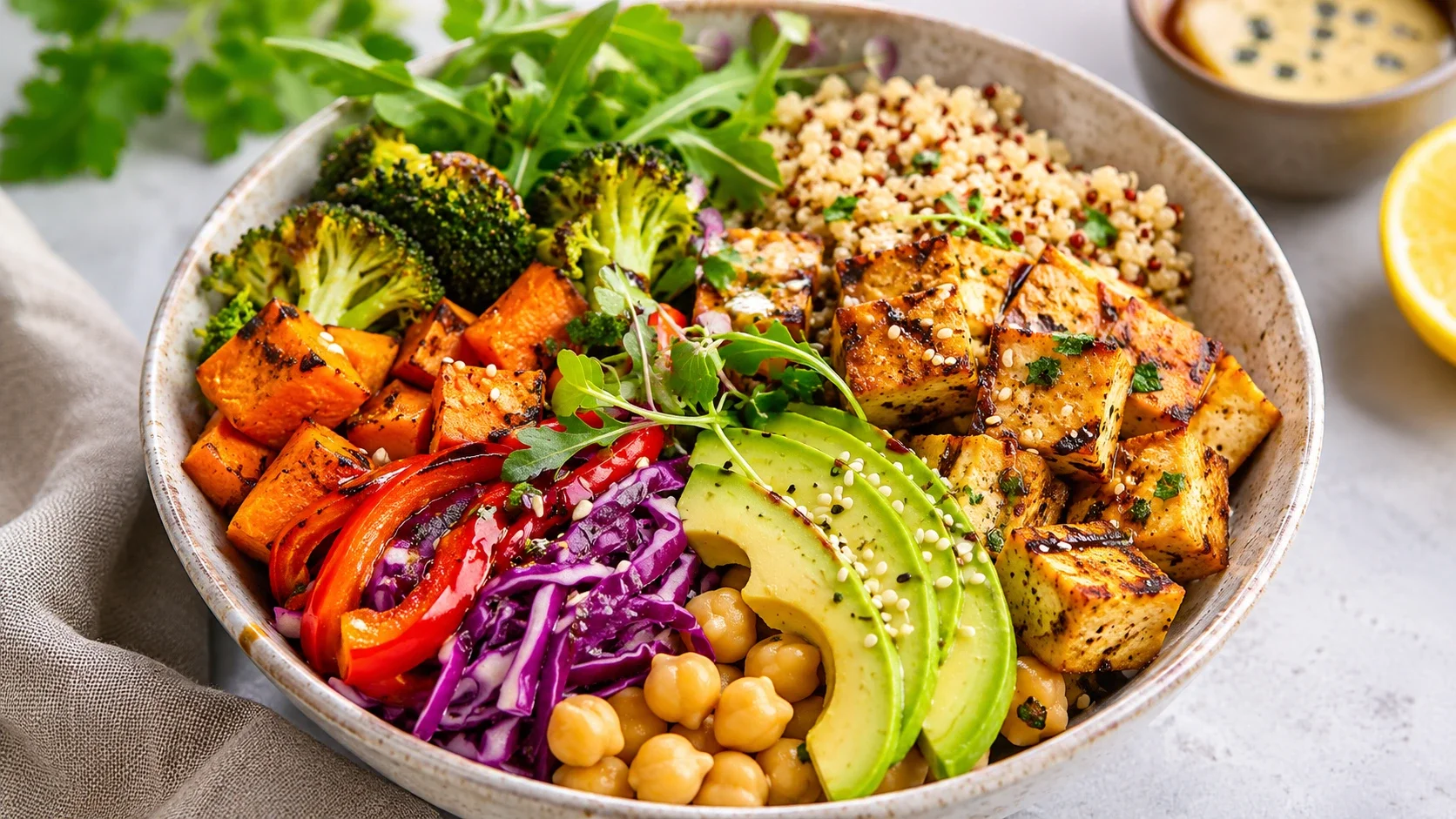
Do You Struggle to Eat Enough Vegetables?
Do you find it difficult to eat enough vegetables? Maybe you feel like you simply don't enjoy them, or perhaps you're tired of preparing the same few options every week.
You're not alone.
Eating more vegetables doesn't have to mean forcing yourself to eat foods you dislike or settling for bland, boring meals.
In this episode of The Physician Gardener, Dr. Kashiti Long, board-certified internal medicine physician and founder of Long Health & Wellness, shares four simple, practical tips to help you add more vegetables to your everyday meals.
Vegetables provide important nutrients, including fiber, vitamins, minerals, and plant compounds that support overall health. When included as part of a balanced eating pattern, they can help support digestive health, cardiovascular health, and long-term wellness.
The good news? You don't have to completely change the way you eat. Sometimes, a little variety, a different cooking method, or the right seasoning can make all the difference.
Watch the Episode: 4 Tips to Increase Your Vegetable Intake
Prefer to watch or listen? In this episode, Dr. Long shares four easy ways to make vegetables more enjoyable and incorporate them into your everyday routine.
Watch the full episode below.
Why Eating More Vegetables Matters
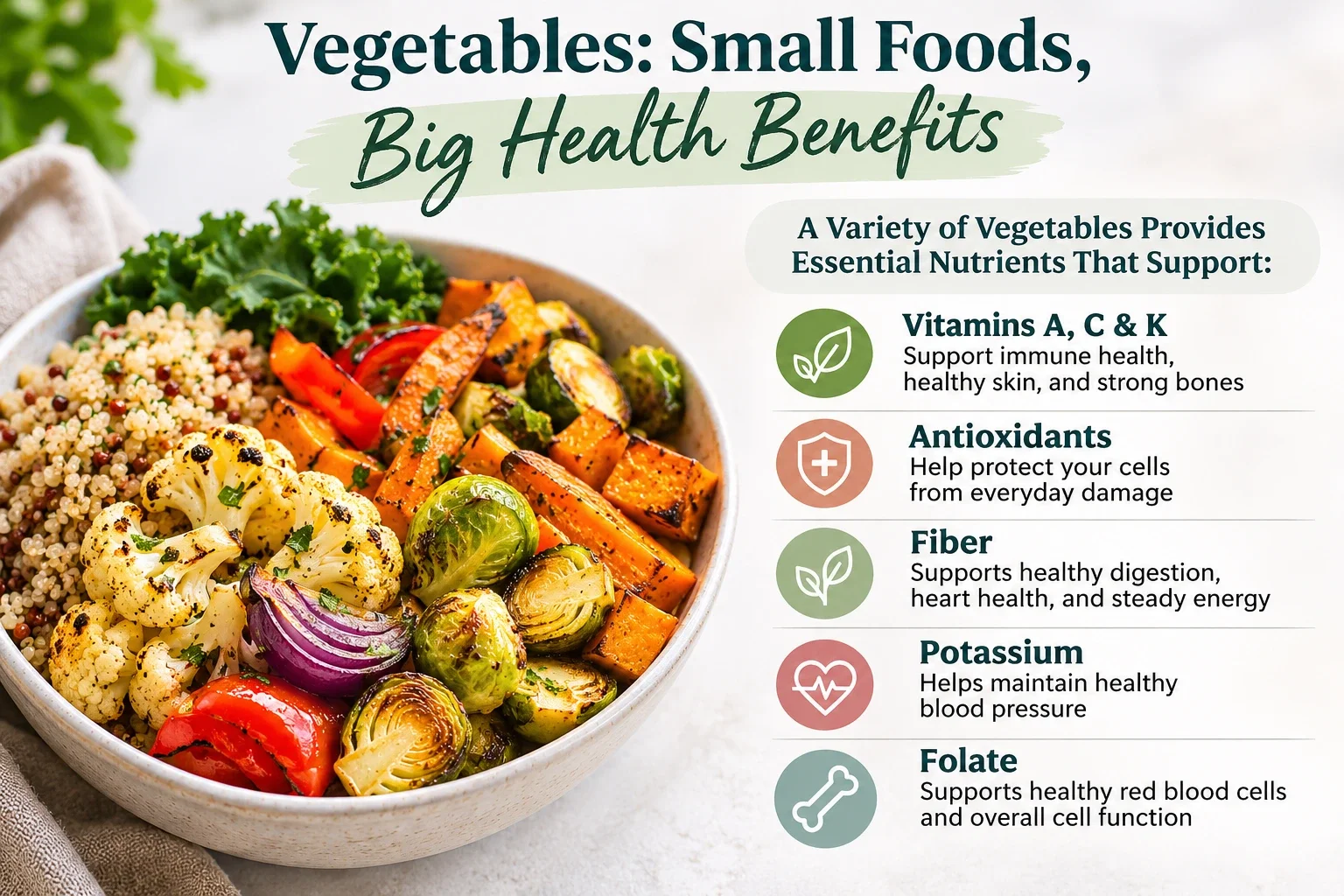
Vegetables are an important part of a balanced eating pattern. They provide a variety of nutrients that help your body function properly and support your overall health.
Depending on the type, vegetables can provide:
Fiber: Supports digestive health, promotes regular bowel movements, and helps you feel satisfied after meals.
Vitamins and minerals: Provide essential nutrients that support immune function, bone health, metabolism, and other important processes.
Antioxidants: Help protect cells from oxidative stress.
Phytonutrients: Naturally occurring plant compounds that contribute to the health benefits of a varied, plant-rich diet.
Heart-healthy nutrients: Certain vegetables provide potassium, fiber, and other nutrients that support cardiovascular health.
Despite these benefits, many Americans do not eat the recommended amounts of vegetables.
If you've ever said, "I just don't like vegetables," don't give up on them yet.
You may simply need to discover different varieties, flavors, and ways of preparing them.
Tip #1: Try New Vegetables
Do you find yourself buying the same five vegetables every time you go grocery shopping?
Maybe your usual choices include potatoes, corn, broccoli, green beans, and carrots.
There's nothing wrong with enjoying familiar vegetables. But exploring different varieties can help you discover new flavors, textures, and ways to make your meals more interesting.
Next time you're at the grocery store or farmers market, consider trying something new.
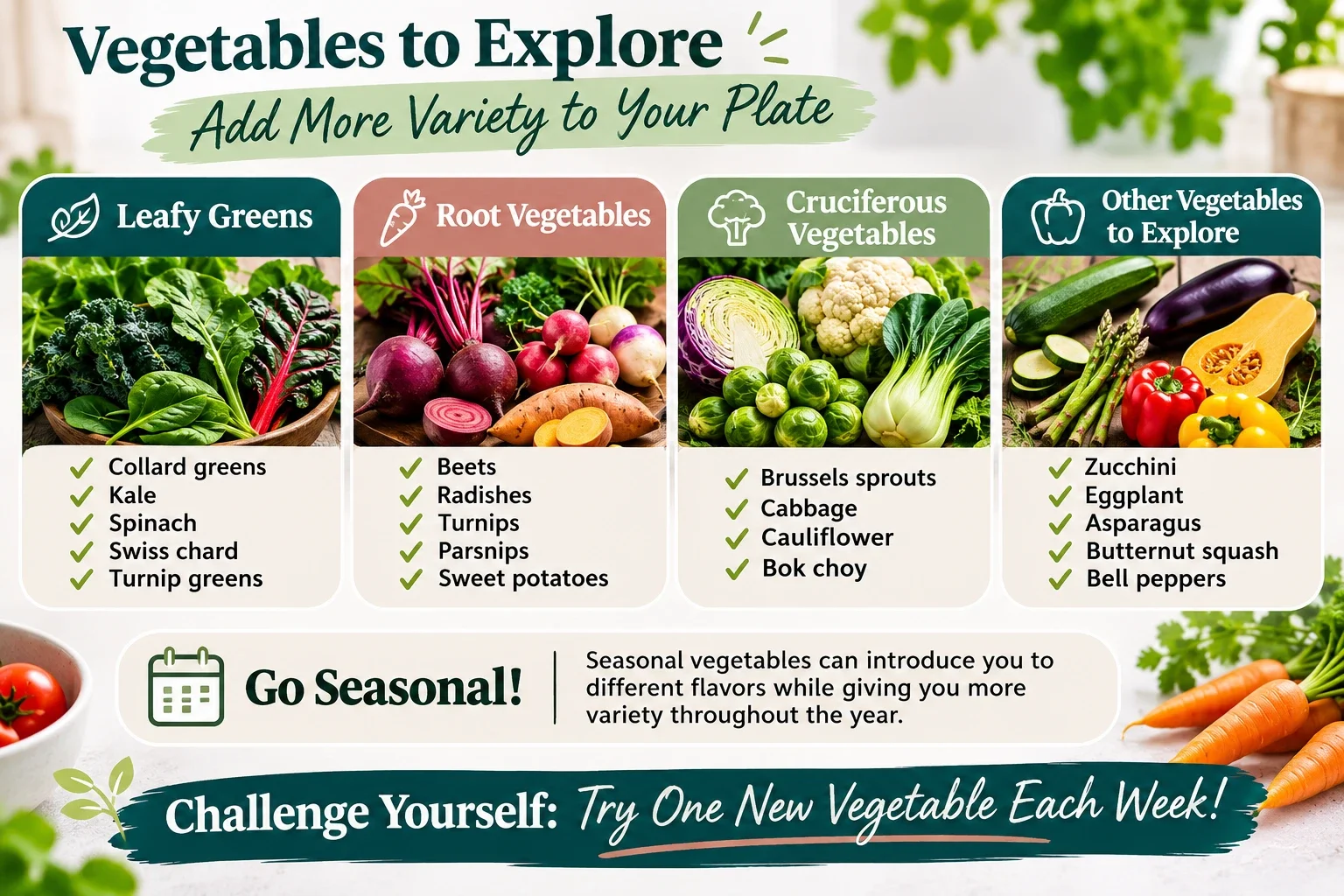
Choose one vegetable you've never tried or haven't eaten in a while. Look up a simple recipe before going grocery shopping, then experiment with preparing it at home.
You might discover a new favorite.
Tip #2: Experiment With Different Cooking Methods
If you've only ever eaten boiled or steamed vegetables, you may not have experienced how much their flavor and texture can change with different cooking methods.
The way you prepare vegetables can make a big difference.
Try experimenting with:
Roasting: Brings out natural sweetness and creates a slightly crisp texture.
Air frying: Offers a convenient way to prepare crispy vegetables with little added oil.
Grilling: Adds a smoky flavor that works especially well with zucchini, eggplant, bell peppers, and asparagus.
Sautéing: Quickly cooks vegetables while allowing you to add herbs, spices, garlic, and other flavors.
Stir-frying: Combines vegetables with flavorful sauces and other ingredients for a quick, balanced meal.
For example, Brussels sprouts may not sound appealing when boiled, but roasting them with a little olive oil, garlic, and black pepper can give them a completely different flavor.
And remember, vegetables don't always have to be fresh to be nutritious.
Fresh, frozen, and low-sodium canned vegetables can all be convenient ways to increase your intake. Choose the options that fit your budget, schedule, and preferences.
Try This: Take one vegetable you already know and enjoy, then prepare it using a different cooking method this week.
You may be surprised by how different it tastes.
Tip #3: Don't Be Afraid to Season Your Vegetables
Vegetables don't have to taste bland.
The right herbs, spices, and seasonings can completely transform a simple vegetable dish. Experimenting with different flavor combinations can help you find preparations you'll actually look forward to eating.
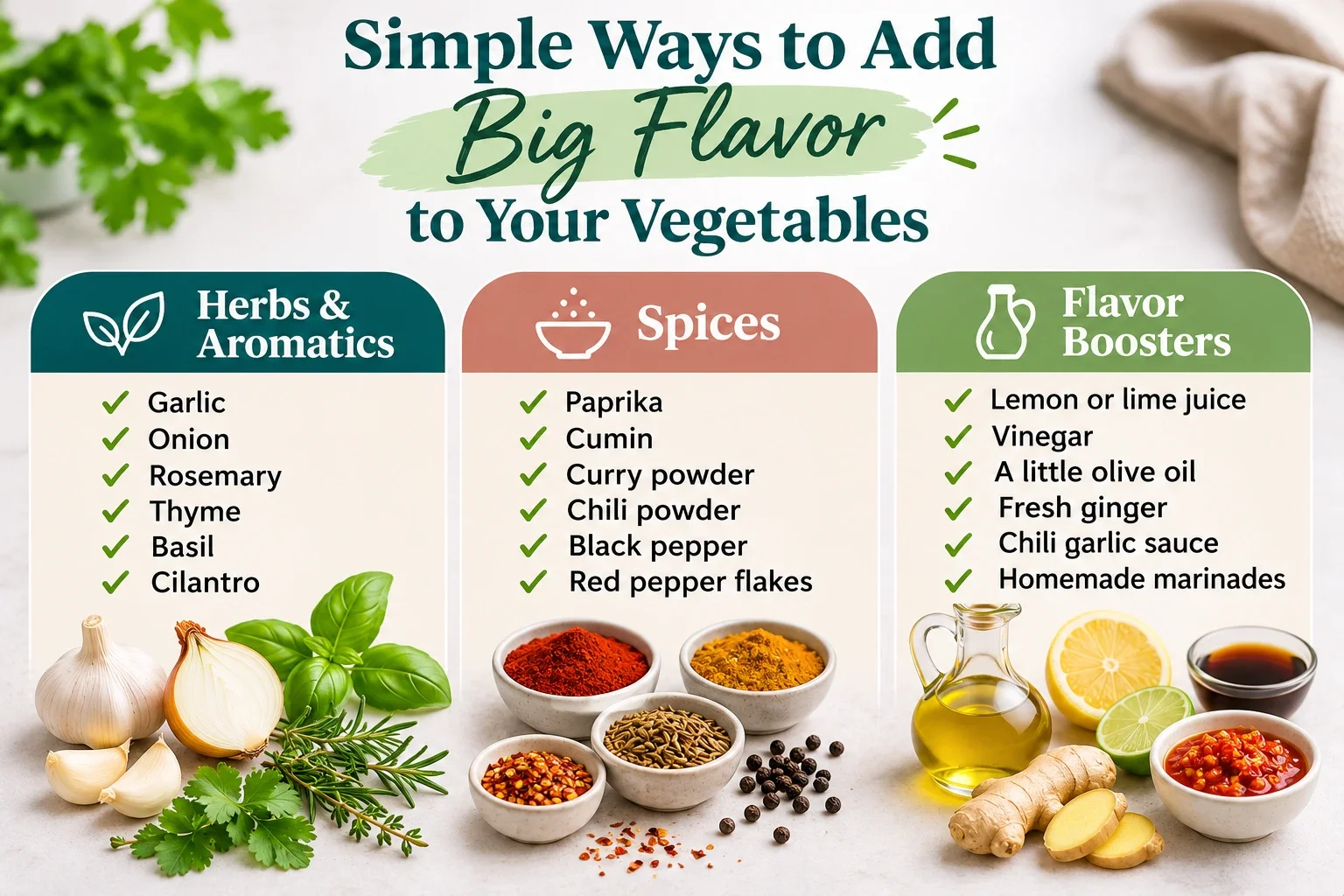
You can also experiment with seasoning blends and spice combinations to make meal preparation easier.
Dr. Long's Kitchen Tip: Try sautéing vegetables with garlic and onions, then add your favorite herbs or spices. It's a simple way to build flavor without relying on excessive salt.
If you're monitoring your sodium intake, check the labels on packaged seasoning blends, sauces, and marinades. Some can contain significant amounts of sodium.
The goal is to find flavors you enjoy while making vegetables a more regular part of your meals.
Tip #4: Use the Resources Around You
You don't have to be an experienced cook to prepare delicious vegetables.
There are countless free resources that can help you discover new recipes, learn basic cooking techniques, and find creative ways to add vegetables to your meals.
Start with:
YouTube: Find step-by-step cooking demonstrations and simple vegetable recipes.
Pinterest: Save recipes and create boards with meal ideas you want to try.
Google: Search for ideas such as "easy vegetable recipes," "healthy roasted vegetables," or "simple ways to add vegetables to meals."
Recipe websites and cooking blogs: Explore recipes based on the vegetables you already have at home.
You can also make your searches more specific.
For example:
"Easy ways to cook kale for beginners"
"Budget-friendly vegetable side dishes"
"How to make Brussels sprouts taste better"
"Quick vegetable recipes for busy weeknights"
Start with recipes that use ingredients you already enjoy. You don't need expensive ingredients, complicated techniques, or hours in the kitchen to prepare a satisfying vegetable dish.
The more you experiment, the more confident you'll become.
The Bottom Line: Make Vegetables a Part of Your Everyday Routine
Eating more vegetables doesn't have to happen overnight.
You don't need to force yourself to eat vegetables you dislike or completely change the way you prepare your meals.
Start by exploring new varieties, experimenting with different cooking methods, adding herbs and spices, and finding recipes that fit your lifestyle.
Vegetables provide fiber, vitamins, minerals, and beneficial plant compounds that support many aspects of health, including:
Digestive health
Cardiovascular health
Healthy blood sugar management
Overall nutritional balance
Long-term wellness
Small, consistent changes can make it easier to build healthier eating habits over time.
So start with one new vegetable. Try a different recipe. Add a handful of leafy greens to a meal you already enjoy.
You might discover that eating more vegetables is easier—and more enjoyable—than you thought.
Growing better health starts with small, everyday choices.
Personalized Support for Your Health and Nutrition Goals
Healthy eating looks different for everyone. Your food preferences, health history, lifestyle, schedule, and personal goals all matter.
At Long Health & Wellness, Dr. Kashiti Long provides personalized preventive primary care and lifestyle medicine through a Direct Primary Care model in Charlotte, North Carolina.
Whether you're looking to improve your nutrition, develop healthier daily habits, or better understand your risk factors for chronic disease, having a physician who takes time to understand your needs can help you make informed decisions about your health.
Ready to take the next step?
Learn more: Visit Long Health & Wellness.
Meet Dr. Long: Schedule a free 15-minute Meet & Greet to learn more about the practice.
Keep learning: Subscribe to The Physician Gardener on YouTube for more practical conversations about lifestyle medicine and preventive health.
Your health journey doesn't have to begin with a major lifestyle overhaul. Sometimes, it starts with one small change.
Dr. Kashiti Long, MD
Board-Certified Internal Medicine Physician
Founder, Long Health & Wellness | Charlotte, NC
The Physician Gardener: Growing better health through lifestyle medicine.
