
A Beginner's Guide to Heart-Healthy Eating, with Simple Tips for Enjoying the Holiday Season
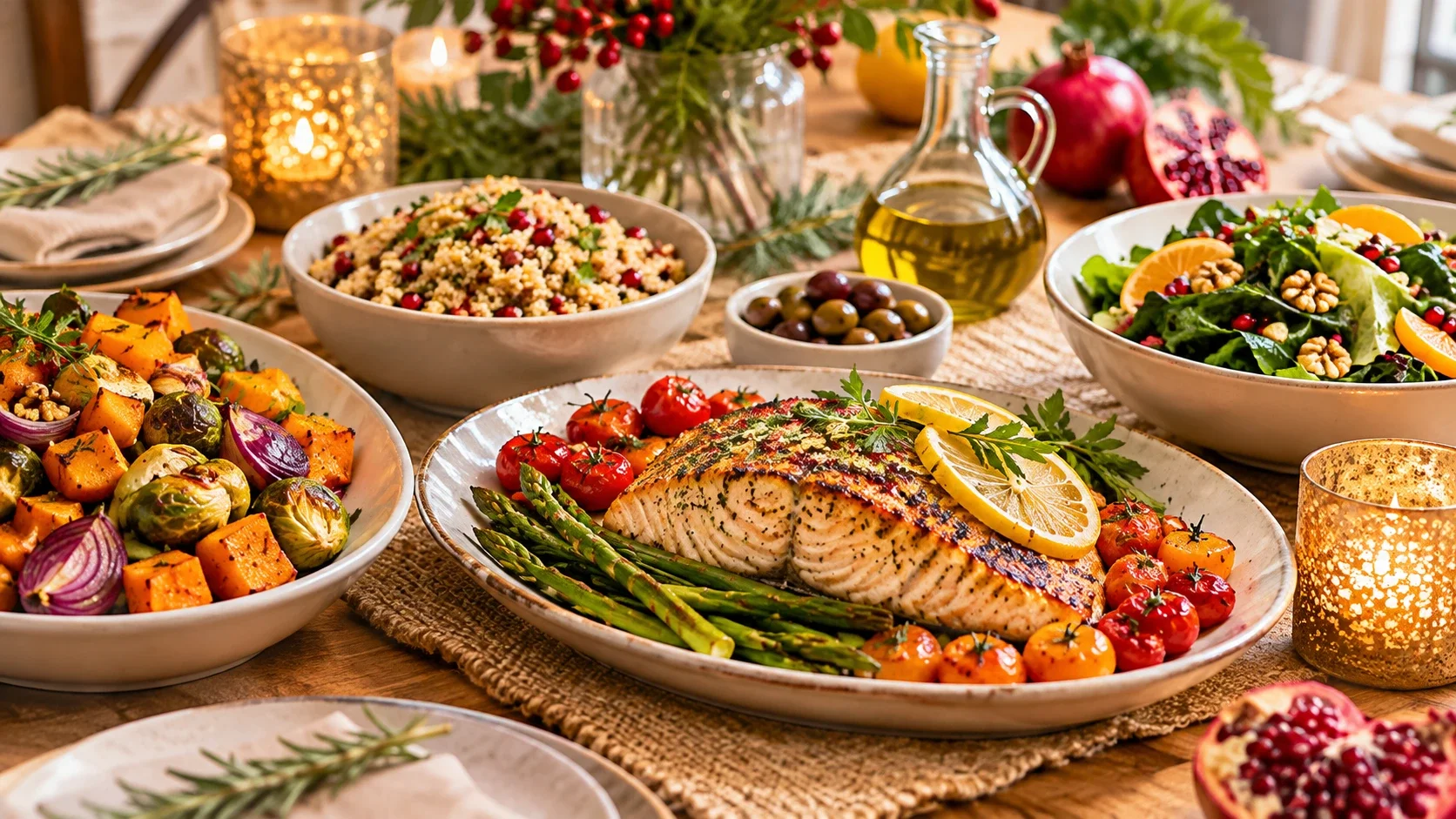
What Is the Mediterranean Diet?
As the holiday season approaches, many of us look forward to gathering with family and friends, sharing favorite meals, and enjoying the foods that make this time of year special.
But the holidays can also make it harder to maintain healthy eating habits. Between busy schedules, celebrations, and an abundance of seasonal treats, it can be easy to feel like you have to choose between enjoying your favorite foods and taking care of your health.
The good news? You don't have to.
The Mediterranean diet offers a flexible, sustainable approach to eating that focuses on whole, minimally processed foods, healthy fats, and plenty of plant-based ingredients. It's not about strict rules or giving up the foods you love. It's about building a balanced way of eating that you can enjoy throughout the year—including the holidays.
In this episode of The Physician Gardener, Dr. Kashiti Long, board-certified internal medicine physician and founder of Long Health & Wellness, explains what the Mediterranean diet is, its potential health benefits, and practical ways to incorporate it into everyday life.
Whether you're looking to support your heart health, improve your overall nutrition, or develop healthier habits for the new year, this guide will help you understand where to start.
Watch the Episode: What Is the Mediterranean Diet?
Prefer to watch or listen? Dr. Long discusses the Mediterranean diet, its benefits, and how you can make this eating pattern part of your everyday routine.
Watch the full episode below.
What Is the Mediterranean Diet?
The Mediterranean diet is an eating pattern inspired by the traditional food habits of people living in countries bordering the Mediterranean Sea.
Rather than following strict food rules or counting calories, it emphasizes a variety of whole and minimally processed foods, particularly plant-based ingredients and healthy fats.
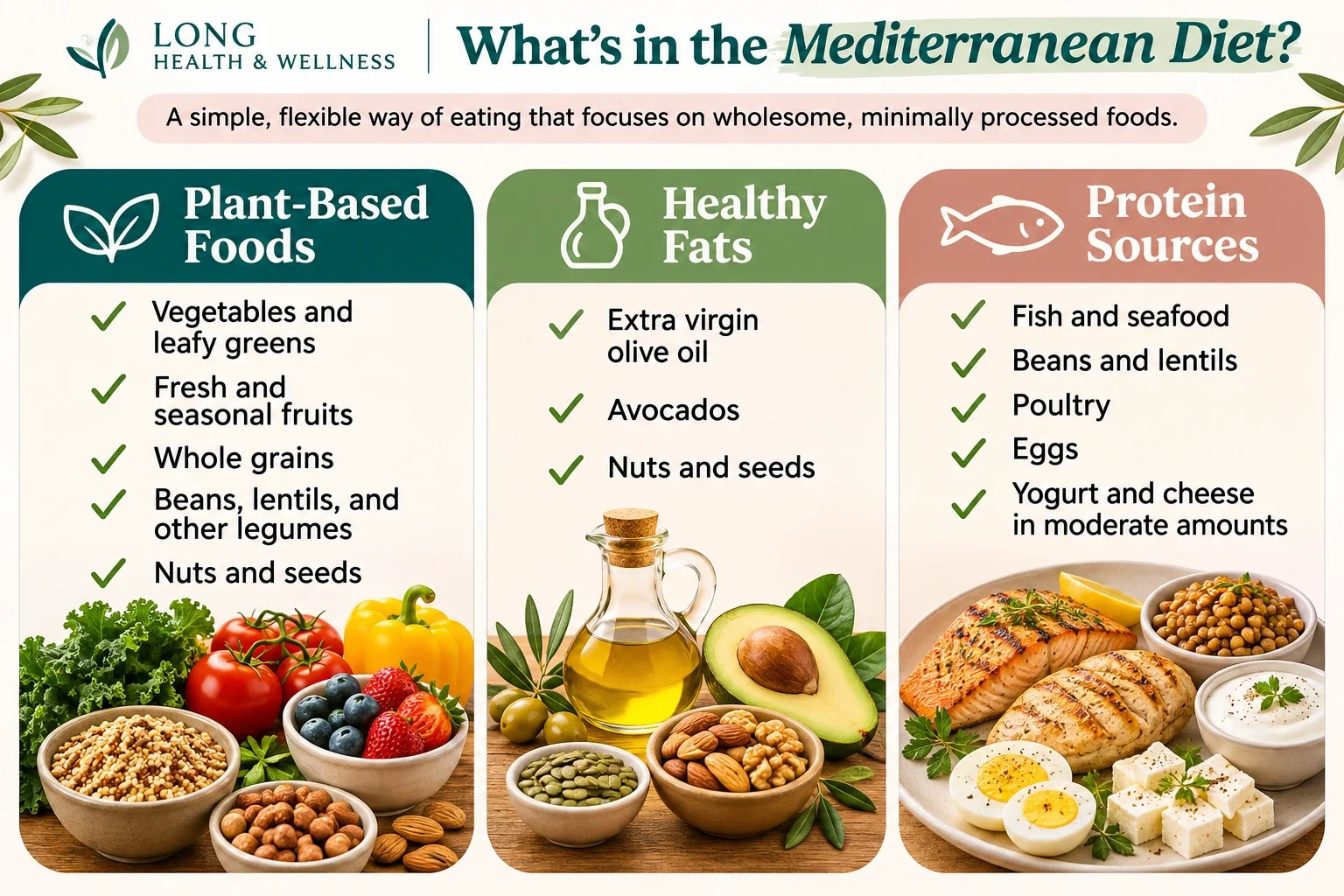
It generally limits frequent consumption of red and processed meats, refined grains, sugar-sweetened beverages, and highly processed foods.
One of the best things about this eating pattern is its flexibility. You don't have to buy expensive specialty ingredients or prepare complicated recipes.
You can adapt the Mediterranean approach using foods that are familiar, affordable, and available where you live.
What About Holiday Foods?
The Mediterranean diet doesn't require you to avoid traditional holiday dishes.
You can enjoy your favorite family recipes while also adding vegetables, fruit, whole grains, beans, or other nutrient-rich ingredients to your holiday table.
The goal is not perfection. It's finding a balance you can maintain.
Health Benefits of the Mediterranean Diet
The Mediterranean diet is one of the most extensively studied dietary patterns. Research has linked it with several health benefits, particularly when followed consistently as part of an overall healthy lifestyle.
Here are some of the potential benefits:
1. Supports Heart Health
The Mediterranean diet emphasizes foods such as vegetables, fruits, whole grains, legumes, nuts, fish, and olive oil. This combination can help support healthy cholesterol levels, blood pressure, and overall cardiovascular health.
2. Supports Healthy Blood Sugar Levels
Its emphasis on fiber-rich plant foods, whole grains, legumes, and minimally processed ingredients can help support blood sugar management. It may be particularly beneficial for people working to reduce their risk of type 2 diabetes or manage an existing diagnosis.
3. Supports Healthy Weight Management
The combination of fiber-rich foods, healthy fats, and satisfying meals can help promote fullness and support sustainable eating habits.
4. Promotes Metabolic Health
Research has associated Mediterranean-style eating with improvements in several metabolic risk factors, including blood pressure, cholesterol, and blood sugar.
5. Supports Brain Health
Some research suggests that following a Mediterranean-style eating pattern may be associated with better cognitive health and a lower risk of cognitive decline. More research is needed to understand these relationships fully.
6. Supports Digestive Health
Vegetables, fruits, legumes, nuts, seeds, and whole grains provide fiber that supports regular bowel movements and a healthy digestive system.
The important thing to remember is that no single food or eating pattern guarantees protection from disease. Your health is influenced by many factors, including physical activity, sleep, stress, genetics, and access to healthcare.
Still, choosing a balanced, plant-forward eating pattern can be an important step toward supporting your long-term health.
What Does a Mediterranean Diet Day Look Like?
One of the easiest ways to understand the Mediterranean diet is to see how it can fit into a typical day.
Here's an example of a simple Mediterranean-inspired meal plan:
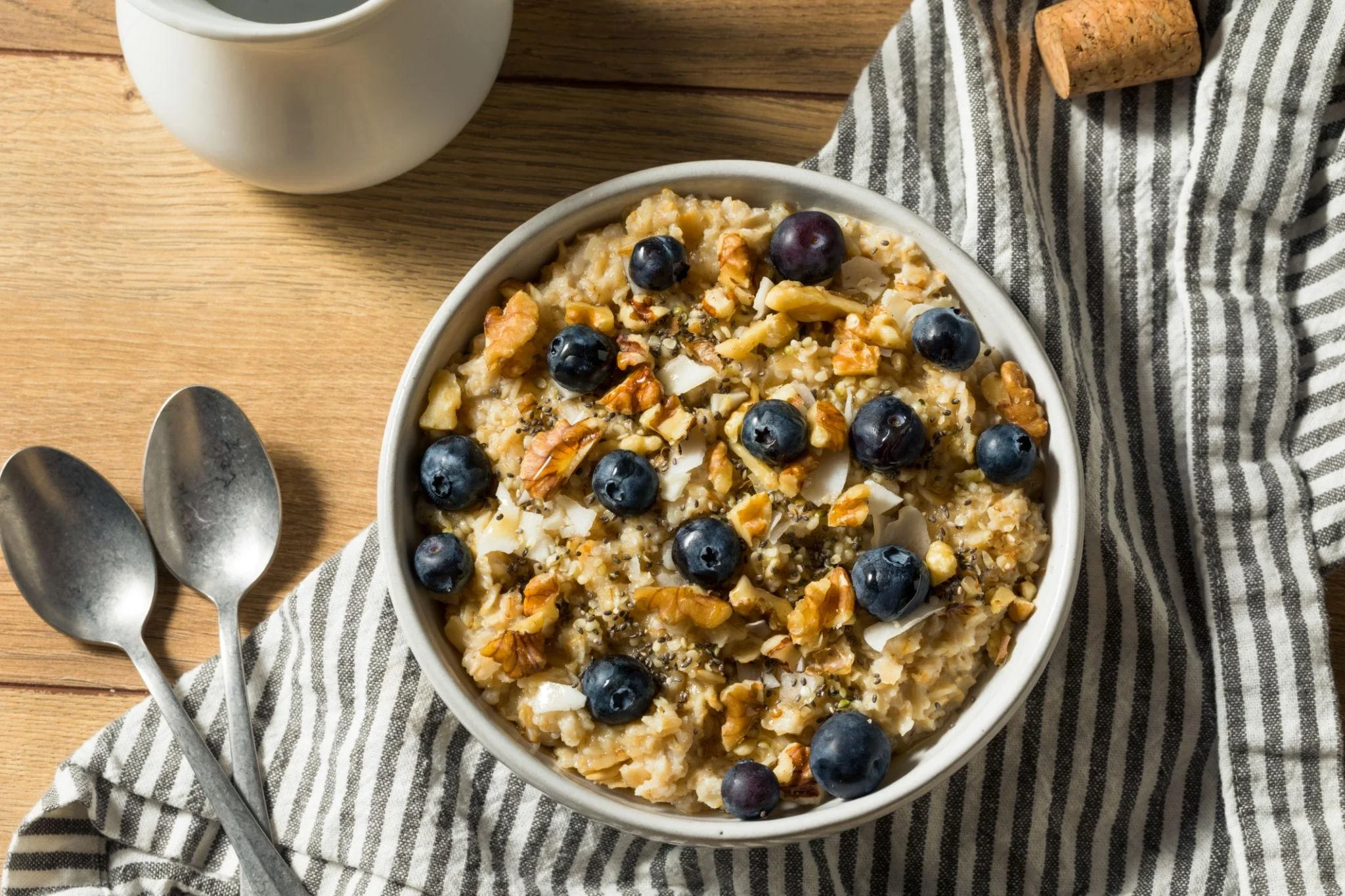
Breakfast
Old-fashioned oatmeal
Chia seeds and ground flaxseeds
Mixed berries
A small handful of walnuts
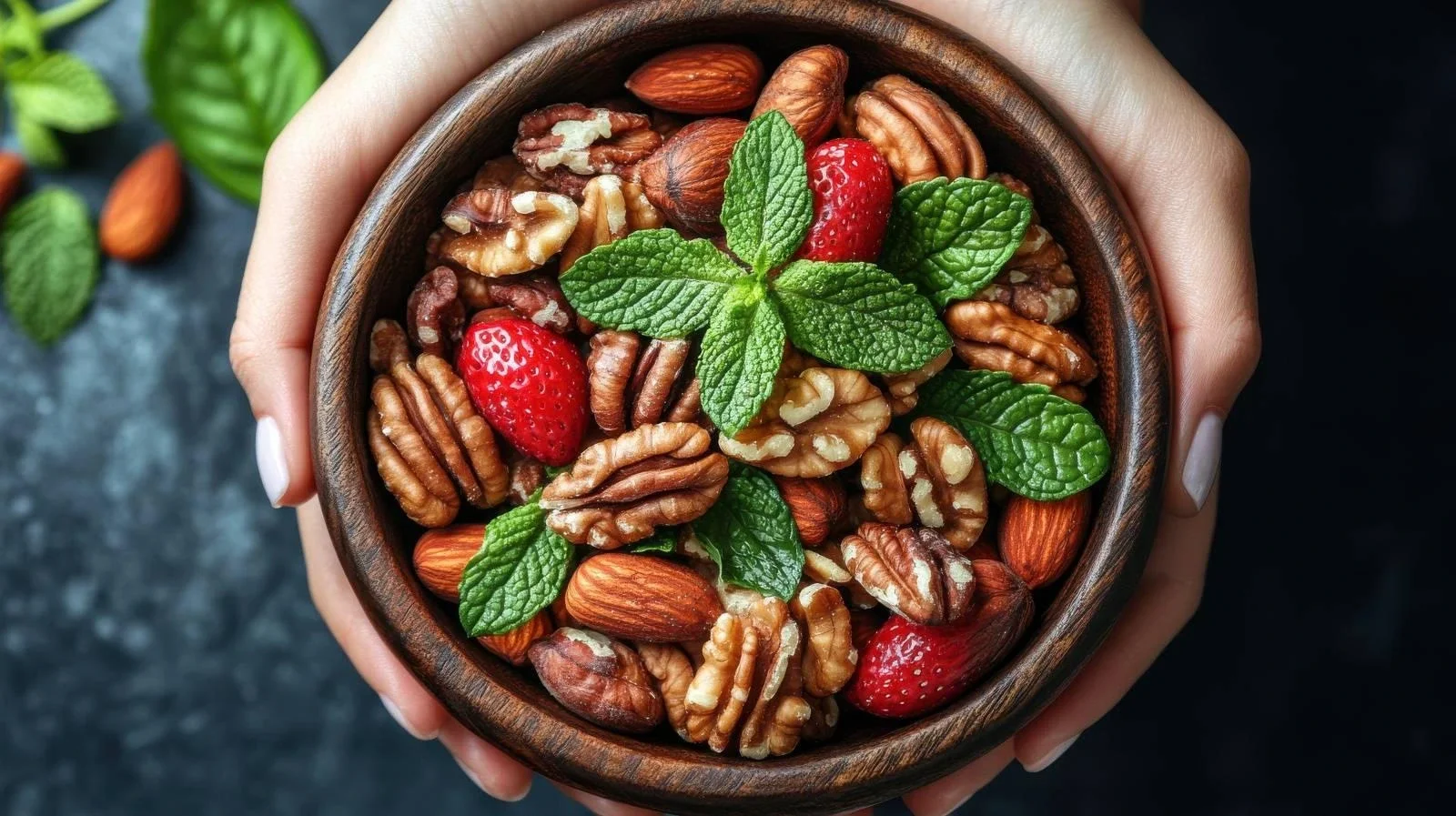
Snack
A small handful of walnuts or almonds
A piece of fresh fruit
Lunch
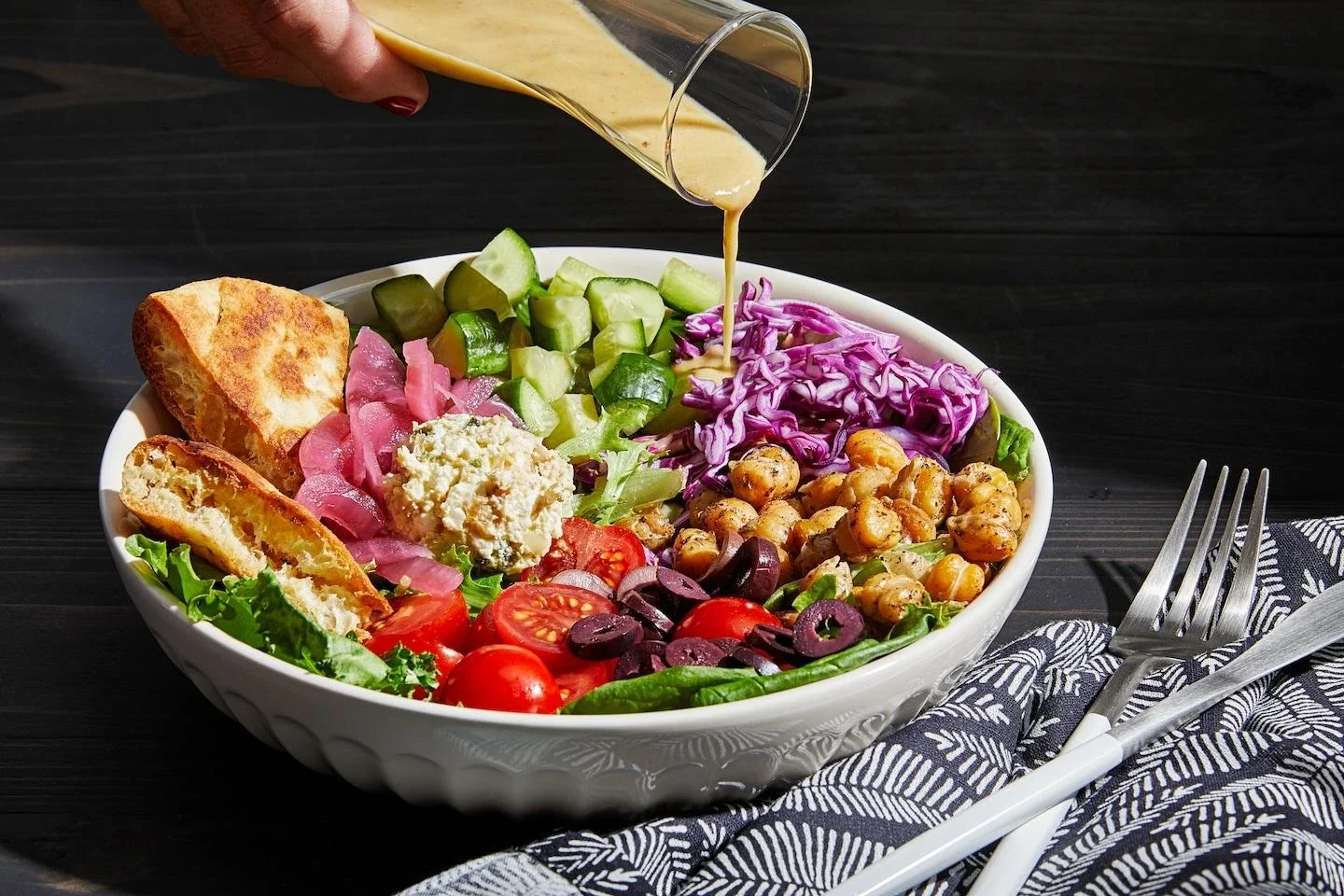
A colorful Mediterranean-inspired salad with:
Leafy greens
Bell peppers and onions
Cucumbers and tomatoes
Chickpeas
A little feta cheese
Olive oil and vinegar dressing
Whole-grain pita or bread
Dinner
Baked or grilled salmon
Brown rice
Roasted squash
Brussels sprouts

This is just one example. Your portions and food choices should reflect your individual nutritional needs, preferences, and health goals.
How Can You Adapt This During the Holidays?
You can use the same principles when planning a holiday meal.
For example:
Add a colorful roasted vegetable dish to your holiday spread.
Include a whole-grain side dish.
Serve fish or another preferred protein alongside traditional family favorites.
Offer fresh fruit as an additional dessert option.
Use olive oil, herbs, and spices to add flavor to vegetables and other dishes.
You can enjoy your traditional holiday favorites, too. The idea is to make room for variety and balance—not to turn a celebration into a diet checklist.
5 Tips for Getting Started on the Mediterranean Diet
You don't need to change everything you eat overnight to begin following a Mediterranean-style eating pattern.
Start with small, manageable changes and build healthier habits over time.
Here are five practical ways to get started.
1. Eat More Plant-Based Foods
Make vegetables, fruits, whole grains, beans, and lentils regular parts of your meals.
Try adding:
Leafy greens to sandwiches, soups, and salads.
Beans or lentils to stews and casseroles.
Fresh fruit to breakfast or as a snack.
Whole grains such as oats, brown rice, and quinoa.
Nuts and seeds to salads, oatmeal, or yogurt.
Holiday tip: Add a colorful vegetable side dish to your holiday table. Roasted Brussels sprouts, green beans, carrots, or squash can complement traditional holiday meals.
2. Choose a Variety of Protein Sources
The Mediterranean diet includes different sources of protein, with an emphasis on fish, seafood, legumes, and plant-based options.
You can also include:
Poultry
Eggs
Plain yogurt
Cheese in moderate amounts
You don't have to eliminate animal products. Instead, try incorporating more plant-based proteins and fish into your regular meal rotation.
Holiday tip: Consider serving fish, bean-based dishes, or a lentil side alongside your traditional holiday favorites.
3. Limit Highly Processed Foods and Added Sugars
You don't need to eliminate every treat or favorite food to follow a Mediterranean-style eating pattern.
However, try to make foods such as these less frequent choices:
Processed meats
Excessive amounts of red meat
Sugar-sweetened beverages
Highly refined grains
Foods high in added sugars
Heavily processed snack foods
Holiday tip: Enjoy your favorite seasonal desserts and treats without guilt. Rather than approaching holiday eating with an all-or-nothing mindset, focus on balance across your meals and eating habits over time.
4. Flavor Your Food With Herbs and Spices
Healthy meals don't have to be bland.
Herbs, spices, citrus, garlic, and other flavorings can make simple ingredients more enjoyable while helping you reduce your reliance on excess salt.
Try using:
Cumin
Paprika
Basil
Rosemary
Thyme
Coriander
Curry powder
Garlic and onion
Lemon and lime
Holiday tip: Use rosemary, thyme, garlic, and citrus to season roasted vegetables, fish, poultry, and other holiday dishes. These ingredients can add plenty of flavor without requiring heavy sauces.
5. Choose Water and Other Unsweetened Beverages
Make water your primary beverage throughout the day.
Other options include:
Unsweetened tea
Sparkling water
Water infused with lemon, cucumber, or berries
Unsweetened coffee, if you enjoy it
Try to limit sugar-sweetened beverages.
Alcohol is not required as part of the Mediterranean diet. If you don't drink, there is no health reason to start.
Holiday tip: Make a festive nonalcoholic drink with sparkling water, citrus slices, fresh berries, and mint. It can be a refreshing option at holiday gatherings.
Why the Mediterranean Diet Is More Than Just a Diet
The Mediterranean diet isn't a short-term eating plan that requires you to follow strict rules or give up your favorite foods.
It's a long-term approach to nutrition that emphasizes variety, balance, and foods that nourish your body.
Its focus on vegetables, fruits, whole grains, legumes, nuts, seeds, healthy fats, and fish can support several aspects of health, including:
Heart health: Through a dietary pattern rich in fiber, unsaturated fats, and nutrient-dense foods.
Brain health: Through a variety of nutrients and plant compounds associated with healthy aging and cognitive health.
Metabolic health: By emphasizing fiber-rich foods and limiting frequent consumption of highly processed foods.
Digestive health: Through a variety of fiber-containing plant foods.
Healthy weight management: By encouraging satisfying, nutrient-rich meals that can support sustainable eating habits.
Another benefit is its flexibility.
You can adapt the Mediterranean diet to your food preferences, budget, cultural traditions, and lifestyle. You don't have to follow a perfect meal plan every day to make meaningful improvements to your eating habits.
And that includes the holiday season.
You can enjoy your family's traditional recipes, attend celebrations, and share festive meals while continuing to make choices that support your health.
Healthy eating isn't about being perfect. It's about the habits you build and maintain over time.

Start Building Healthier Habits This Holiday Season
The holiday season is a wonderful opportunity to enjoy time with family, reconnect with loved ones, and share meals that bring people together.
It's also a good time to think about the habits that support your long-term health.
You don't have to wait until January to make healthier choices, and you don't have to give up your favorite holiday foods to take care of yourself.
Start with one manageable change. Add more vegetables to your meals, try a new whole-grain recipe, choose healthier fats, or experiment with plant-based proteins.
At Long Health & Wellness, Dr. Kashiti Long takes a personalized approach to preventive primary care and lifestyle medicine. She works with patients to understand their health concerns and develop practical strategies that fit their individual needs and everyday lives.
Ready to take the next step toward better health?
Explore our services: Visit Long Health & Wellness.
Meet Dr. Long: Schedule a free 15-minute Meet & Greet to learn more about the practice.
Continue learning: Subscribe to The Physician Gardener on YouTube for more conversations about lifestyle medicine and preventive health.
You deserve an approach to wellness that supports your health while allowing you to enjoy the things that make life meaningful.
Here's to a healthier, happier holiday season!
Dr. Kashiti Long, MD
Board-Certified Internal Medicine Physician
Founder, Long Health & Wellness | Charlotte, NC
The Physician Gardener: Growing better health through lifestyle medicine.