
Understanding the connection between diabetes, blood vessel health, and stroke prevention.

Why Understanding Diabetes and Stroke Risk Matters
Welcome back to Wellness Wednesday with Dr. Kashiti Long of Long Health & Wellness, a Direct Primary Care practice serving patients in Charlotte, North Carolina.
Diabetes is a serious chronic condition that can affect many parts of the body, including the heart, blood vessels, kidneys, eyes, and nerves. One of its most important complications to understand is the increased risk of cardiovascular disease, including stroke.
In this episode, Dr. Long discusses how diabetes can affect blood vessel health, why people living with diabetes may face a higher risk of stroke, and what steps you can take to protect your long-term health.
Whether you have diabetes, have been diagnosed with prediabetes, or have a family history of the condition, understanding your risk factors is an important part of prevention.
Watch the video below to hear Dr. Long's discussion.
Diabetes Is More Than Just High Blood Sugar
Many people associate diabetes with high blood sugar, but its effects can extend throughout the body.
Diabetes develops when the body does not produce enough insulin or cannot use insulin effectively. Insulin is a hormone that helps move glucose (sugar) from the bloodstream into cells, where it is used for energy.
When this process does not work properly, blood glucose levels can remain too high.
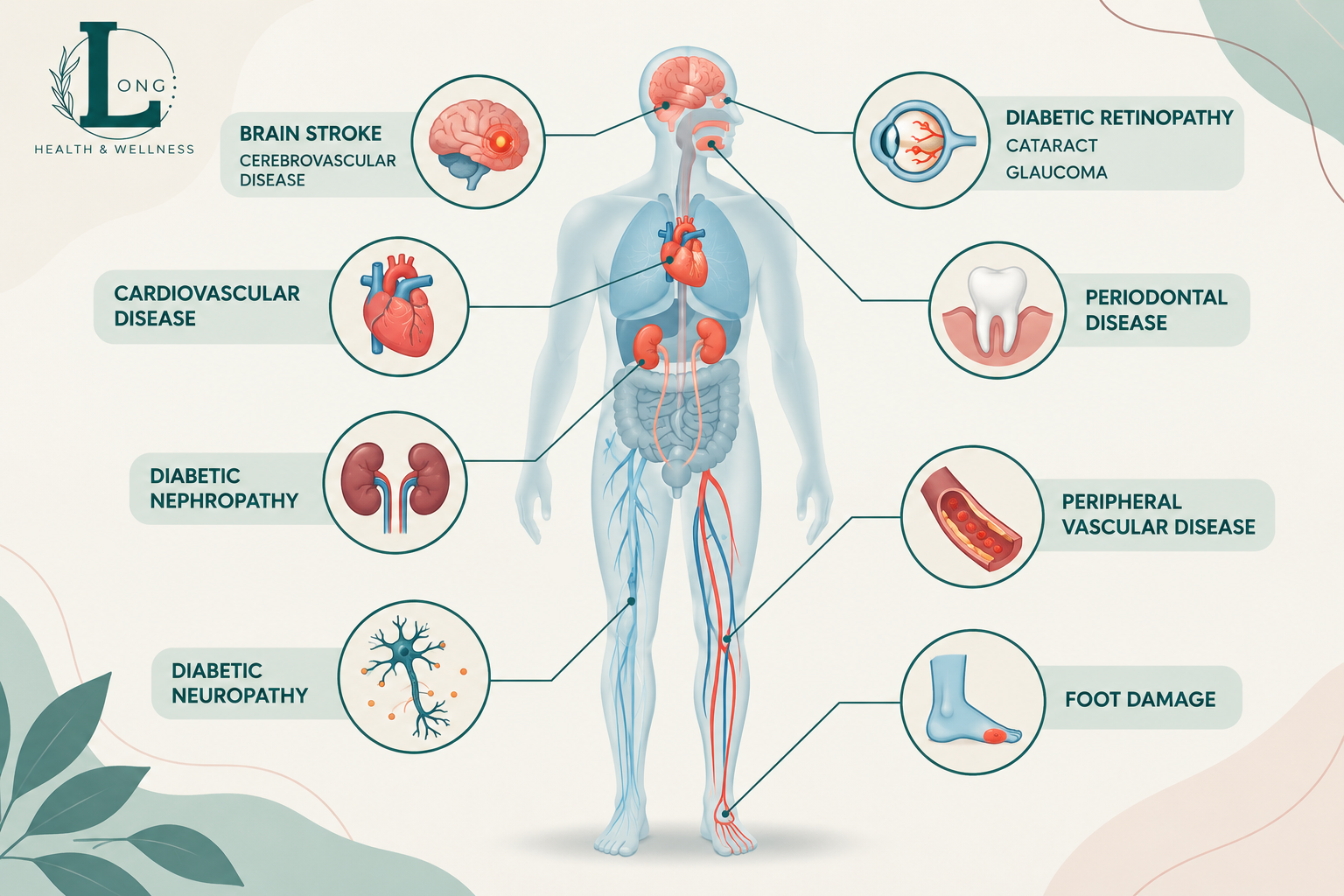
Over time, persistently elevated blood sugar can damage blood vessels and nerves. This damage can affect several organs and body systems, increasing the risk of serious complications, including:
Heart disease and stroke: Diabetes can contribute to blood vessel damage and increase cardiovascular risk.
Kidney disease: Damage to the kidneys can affect their ability to filter waste from the blood. Advanced kidney disease may require dialysis or a transplant.
Eye disease and vision loss: Damage to the small blood vessels in the eyes can lead to diabetic retinopathy and other vision problems.
Nerve damage (diabetic neuropathy): Diabetes can damage nerves, causing pain, tingling, numbness, or loss of sensation, particularly in the feet and legs.
Foot complications and amputations: Nerve damage and poor circulation can make injuries harder to notice and heal, increasing the risk of serious infections.
Sexual health problems: Changes in blood flow and nerve function can contribute to erectile dysfunction and other sexual health concerns.
The important thing to understand is that diabetes is not just a blood sugar issue. It can affect the blood vessels, nerves, heart, kidneys, eyes, and other parts of the body.
However, developing these complications is not inevitable. Consistent diabetes management, regular medical care, and attention to other risk factors can help prevent or delay many of them.
How Diabetes Increases the Risk of Stroke
A stroke occurs when blood flow to part of the brain is interrupted or when a blood vessel in the brain ruptures. Without an adequate supply of oxygen and nutrients, brain cells can begin to die within minutes.
Diabetes increases the risk of stroke partly because persistently elevated blood sugar can damage the lining of blood vessels over time. This damage can contribute to a condition called atherosclerosis, in which fatty deposits known as plaque build up inside the arteries.
As plaque accumulates, arteries can become narrower and less flexible. Plaque can also rupture and trigger the formation of a blood clot. If a clot blocks an artery supplying the brain, it can cause an ischemic stroke.
Diabetes also frequently occurs alongside other cardiovascular risk factors, including:
High blood pressure
Unhealthy cholesterol levels
Excess body weight
Physical inactivity
Smoking
These factors can compound one another, increasing the risk of cardiovascular disease and stroke.
This is why managing diabetes involves more than monitoring blood sugar. Blood pressure, cholesterol, kidney health, physical activity, nutrition, and other individual risk factors are also important parts of comprehensive care.
The takeaway: Diabetes does not automatically lead to a stroke. However, managing blood sugar and addressing other cardiovascular risk factors can make an important difference in reducing overall risk.
The Role of Nerve Damage in Diabetes
In addition to affecting blood vessels, diabetes can damage nerves. This condition is known as diabetic neuropathy.
One of the most common forms is peripheral neuropathy, which often affects the feet and legs first. Some people experience tingling, burning, pain, or numbness. Others may gradually lose sensation and have difficulty recognizing injuries.
When nerve damage occurs alongside poor circulation, foot complications can become more serious.
For example:
Reduced sensation: Small cuts, blisters, or wounds may go unnoticed because of nerve damage.
Delayed wound healing: Poor circulation can make it harder for wounds to heal.
Infections: Injuries that are not treated promptly can become infected.
Serious complications: Severe infections or tissue damage may eventually require amputation.
This is one reason routine foot examinations and daily foot checks are important for people living with diabetes.
Although diabetic neuropathy is a separate complication from stroke, both illustrate how diabetes can affect different parts of the body.
Managing diabetes, maintaining good foot care, and attending regular medical appointments can help reduce the risk of serious complications.
How to Prevent Diabetes and Reduce the Risk of Complications
The good news is that there are meaningful steps you can take to reduce your risk of developing type 2 diabetes and to help prevent complications if you already have diabetes.
Dr. Long emphasizes the importance of healthy lifestyle habits, early detection, and ongoing medical care.
Here are three important areas to focus on.
1. Make Healthier Food Choices
Nutrition plays an important role in blood sugar management and cardiovascular health.
However, healthy eating does not have to mean following a restrictive diet or making dramatic changes overnight. Small, sustainable improvements can help support long-term health.
Access to nutritious food can also be challenging. Food affordability, limited grocery options, work schedules, and other social and economic factors can influence the choices available to individuals and families.
Consider starting with these practical steps:
Choose water more often: Replace soda and other sugar-sweetened beverages with water or unsweetened drinks.
Include more fruits and vegetables: Add a variety of colorful produce to meals and snacks.
Choose whole, minimally processed foods: Include vegetables, fruits, beans, whole grains, nuts, seeds, and other nutrient-dense foods.
Pay attention to added sugars: Limit foods and beverages with high amounts of added sugar.
Choose heart-healthy foods: Include sources of healthy fats, such as nuts, seeds, olive oil, and fish, as part of a balanced eating pattern.
You do not have to change everything at once. Start with one or two habits that feel realistic and build from there.
2. Exercise Regularly
Physical activity is another important part of diabetes prevention and management.
Regular movement helps the body use insulin more effectively, supports blood sugar management, improves cardiovascular health, and can contribute to maintaining a healthy weight.
For most adults, the general goal is at least 150 minutes of moderate-intensity physical activity per week, spread across several days.
Activities can include:
Brisk walking
Cycling
Swimming
Dancing
Gardening
Other activities you enjoy
Strength training is also beneficial. Adults with diabetes are generally encouraged to include resistance exercise two to three times per week, when appropriate.
If you are currently inactive, you do not need to begin with an intense exercise routine. Start with short walks or manageable periods of movement and gradually increase your activity.
If you have diabetes-related complications, foot problems, balance concerns, or other medical conditions, talk with your healthcare provider about which activities are safe and appropriate for you.
Consistency matters more than perfection. Finding movement you enjoy can make it easier to build a lasting habit.
3. Get Regular Health Screenings
Type 2 diabetes can develop gradually, and some people may not notice symptoms in its early stages. That is why appropriate screening is important, especially if you have risk factors.
Dr. Long encourages patients to discuss their individual risk and screening needs with their primary care provider.
Common tests used to screen for and diagnose diabetes include:
Fasting blood glucose: Measures blood sugar after you have fasted for a specified period.
Hemoglobin A1C: Estimates your average blood sugar over approximately the previous two to three months.
Oral glucose tolerance test: Measures how your body processes glucose after drinking a glucose-containing beverage.
Screening recommendations depend on age, medical history, and individual risk factors.
For example, current American Diabetes Association guidance recommends screening adults beginning at age 35, with earlier testing for people who have certain risk factors. If results are normal, repeat testing at least every three years is generally reasonable, although your provider may recommend more frequent testing depending on your circumstances.
For people with prediabetes, diabetes screening should generally occur at least once a year.
For people already diagnosed with diabetes, A1C monitoring is commonly recommended at least twice a year when treatment goals are being met and blood sugar levels are stable. Testing may be needed approximately every three months when treatment changes or blood sugar goals are not being met.
Remember: Screening schedules are not one-size-fits-all. Your primary care provider can help determine which tests you need and how often you should have them.
Know the Warning Signs of a Stroke
Because diabetes can increase stroke risk, it is important to recognize the warning signs and know when to seek emergency care.
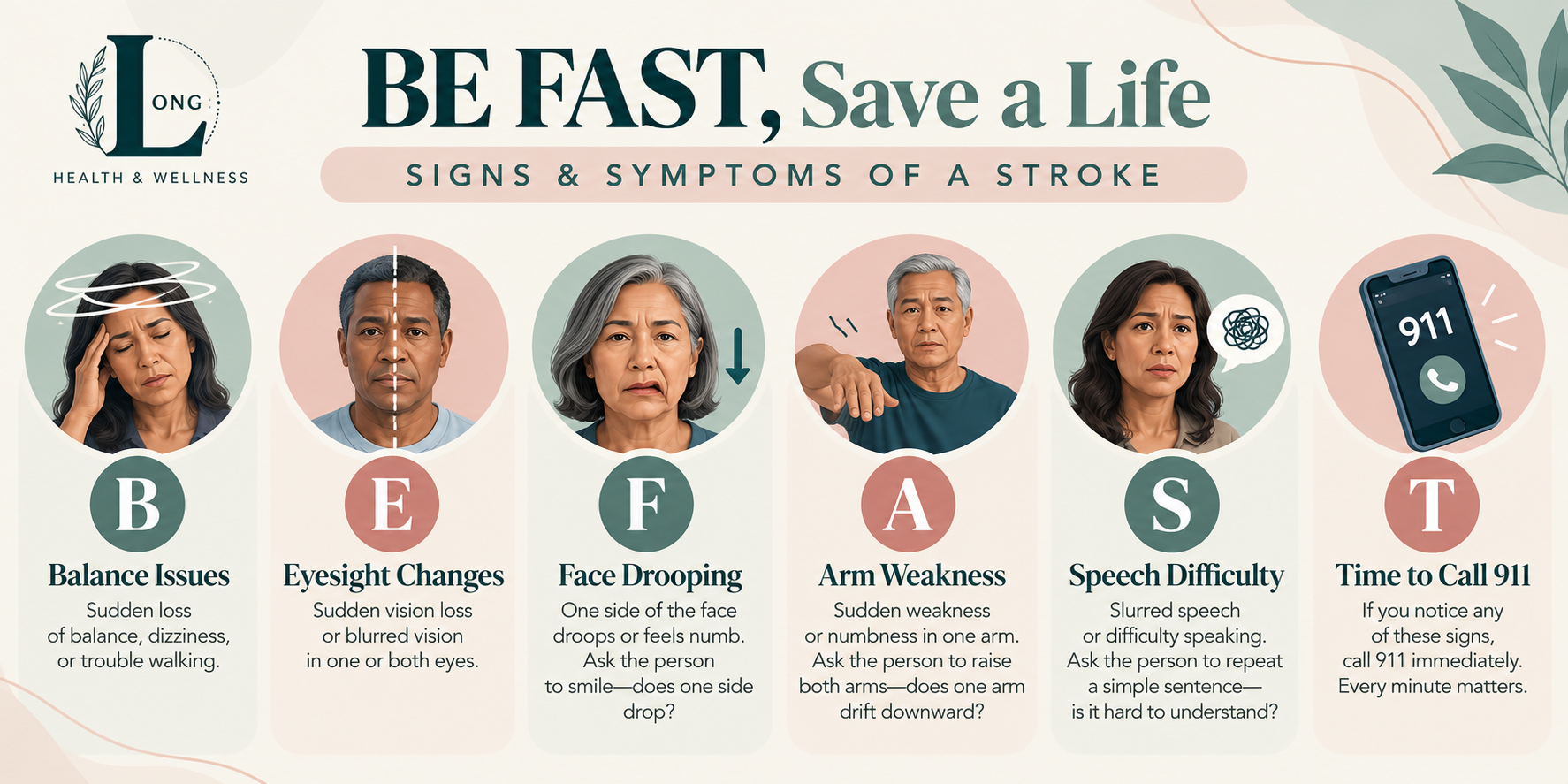
A helpful way to remember the most common warning signs is BE FAST:
B – Balance: Sudden loss of balance or coordination.
E – Eyes: Sudden vision changes or loss of vision.
F – Face: One side of the face droops or feels numb.
A – Arms: Sudden weakness or numbness in one arm.
S – Speech: Slurred speech or difficulty speaking or understanding others.
T – Time: Call 911 immediately.
Other warning signs can include sudden severe headache, confusion, dizziness, or difficulty walking.
Do not wait to see whether symptoms improve. If you or someone nearby experiences possible stroke symptoms, call 911 immediately. Do not drive yourself to the hospital.
Every minute matters when it comes to stroke treatment. Prompt medical attention can help reduce the risk of lasting brain damage and disability.
The Importance of Preventive Primary Care
Preventive care is about identifying health risks early, monitoring changes over time, and helping patients make informed decisions about their health.
For people with diabetes or those at risk of developing it, primary care can play an important role in managing blood sugar, blood pressure, cholesterol, and other factors that influence long-term health.
At Long Health & Wellness, Dr. Kashiti Long emphasizes a personalized, prevention-focused approach that includes:
Preventive screenings: Identifying potential health concerns and monitoring important health markers.
Lifestyle medicine: Supporting healthier habits involving nutrition, physical activity, restorative sleep, stress management, and other lifestyle factors.
Chronic disease prevention and management: Helping patients understand and address their individual health risks.
Personalized care: Developing care plans that consider each patient's medical history, needs, preferences, and goals.
Long-term health planning: Building an ongoing relationship with a primary care provider who understands your health journey.
Rather than focusing only on treating illness when it occurs, preventive primary care helps you take a more proactive role in your health.

Take Control of Your Health
Diabetes increases the risk of serious complications, including stroke, heart disease, kidney disease, nerve damage, and vision problems. But these outcomes are not inevitable.
Understanding your risk factors, making sustainable lifestyle changes, getting appropriate screenings, and working with a healthcare provider can help you protect your health over time.
Dr. Long encourages you to start with a few simple steps:
Talk with your family about your health history and potential diabetes risk.
Ask your healthcare provider whether you should be screened for prediabetes or diabetes.
Monitor your blood sugar, blood pressure, and cholesterol as recommended.
Make small, sustainable changes to your eating and physical activity habits.
Stay consistent with your follow-up appointments and treatment plan if you have already been diagnosed with diabetes.
You do not have to make every change overnight. Taking one informed step at a time can make a meaningful difference.
Your health is worth the attention you give it today.
Your Partner in Preventive Primary Care
At Long Health & Wellness, we believe healthcare should be proactive, personalized, and centered on the whole person.
📍 Serving patients in North and South Carolina
🌱 Personalized, prevention-focused primary care
💚 A Direct Primary Care membership model with transparent pricing
If you have questions about diabetes, stroke risk, or your preventive health needs, Dr. Long can help you explore the next steps.
Ready to take a more proactive approach to your health?
Schedule your free 15-minute Meet & Greet with Dr. Long
Watch the full video above, share your questions in the comments, and explore more educational resources from Long Health & Wellness.